
If you hear about a golf course being restored, certain assumptions come along. Old, sometimes decrepit things get restored. Centuries-old furniture. Paintings forgotten in warehouses for decades. Grand, decaying estates.
Overwhelmingly, golf courses considered candidates for restoration come from the black-and-white, pre-golf-cart era. Ever since pre-World War II golf design came back into prominence, virtually the entire golf course restoration movement has focused on layouts from the 1940s and before. Everything postwar is "modern," and therefore seen as still serviceable, safe for now from the ravages of time that cause older things to slide into antiquehood.
But what was once modern is now turning classic, including the work of the most influential postwar golf course architect, Pete Dye. Dye's groundbreaking style, backed by a deep understanding of the game's origins in Scotland and an adventurous take on the ways holes could be adapted into both the American landscape and tantalizing international locales, made him one of his era's most recognizable names. He introduced the concept of stadium golf courses, exciting playing fields for the world's best where spectators were prioritized as much as players. He also imported new textures to American golf in the form of wooden railroad ties and tiny pot bunkers juxtaposed with huge sandy expanses.
But Dye also revived the old days in important ways. He leaned on design-build methods familiar to his forebears, making most design decisions in the field, rather than on a drafting table. And he cultivated a vast network of associates, shapers, advisers and acolytes, growing a tree of influence unmatched in modern golf course architecture. He was inducted into the World Golf Hall of Fame in 2008.
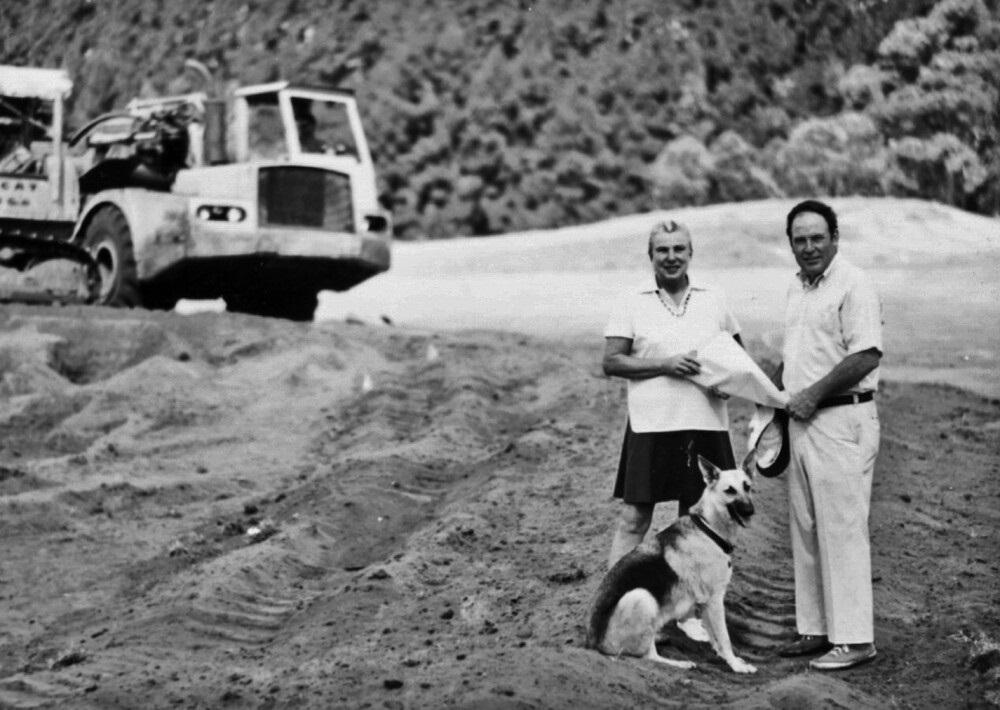
Such is the golf world's reverence for Pete Dye that he has become the first major modern architect whose courses have come to be seen as treasured time capsules. Many of Dye's contemporaries' courses have been targeted for transformative renovations by latter-day architects who have left their own marks on them.
Dye, who passed away in January of 2020, would have turned 100 last December 29. "None of us will be around in a hundred years," writes Golf Digest's Ron Whitten in his essential 2018 article 'Pete Dye's Final Chapter,' "but I'm certain that Pete Dye's architecture will still be here, studied by students of the game, cherished by historians and preserved by proud club members as classic golf courses."
Whitten was entirely correct. Pete Dye's golf courses now qualify as classics, with more than enough history to earn them the right to be restored, not redesigned. And the group of architects charged with safeguarding those courses is hard at work.
Restoring Pete Dye Great Championship Golf Courses
One third of Davis Love III's 21 career PGA Tour wins - five at Harbour Town Golf Links in Hilton Head, S.C.; two at TPC Sawgrass - came at Pete Dye-designed courses in whose futures he and his Love Golf Design firm are now directly involved. Love could not have conquered those courses without a deep understanding of how Dye's designs work.
Love was one of the longest hitters of his generation, but in the pre-bomb-and-gouge era, he deployed his power sparingly and sensibly, thanks in part to the wisdom of caddie Herman Mitchell, Lee Trevino's former bagman, who looped Love to his first Harbour Town victory by occasionally flat-out forbidding him to hit driver on certain holes.
Mitchell's guidance helped Love unlock the right way to approach Harbour Town. “The more you play Pete's courses, the more you [realize] ‘Okay, if I hit it close to the water or close to the bunker at the right distance, then the green will open up for me,’" Love said. "So you learn those little tricks.”
Love speaks with admiration about the variety of challenges Harbour Town and other Dye courses present. “He wanted you to curve it off the tee, he wanted you to bank it into hills on the green, cut it into this green and draw it into that green," he said.
Love Golf Design presided over a six-month restoration project at Harbour Town in 2025. The course's near-universal popularity among PGA Tour pros might have put intense pressure on Love, brother Mark and longtime associate Scot Sherman, who cut his teeth working for Pete and Alice Dye. But the strength of the foundation made the process smooth. "For me it’s easy, especially at Harbour Town," Love said, "because they’ve done a really good job of keeping it pure.”
As with any good golf course restoration, the vast majority of the work performed lies beneath the surface. Infrastructure changes like the rerouting of cart paths, replacement of bulkheads and optimization of irrigation and drainage have made as big a difference as anything.
Perhaps the most visible evidence of Love's work at Harbour Town is in the form of 11 bunkers with stacked synthetic sod faces, seen on property for the first time in decades. Pete Dye originally had several sod-walled bunkers - a nod to links golf overseas - but they were eventually abandoned because Southern soil, weather and growing conditions caused them to deteriorate. But now, the synthetic construction of these bunkers revives Dye's original ambition in a sustainable way. The two pots beside the green of the par-3 14th are particularly nasty.
Harbour Town reopened in November 2025, giving it more than five months to begin maturing ahead of its debut to the PGA Tour's best at the 2026 RBC Heritage.
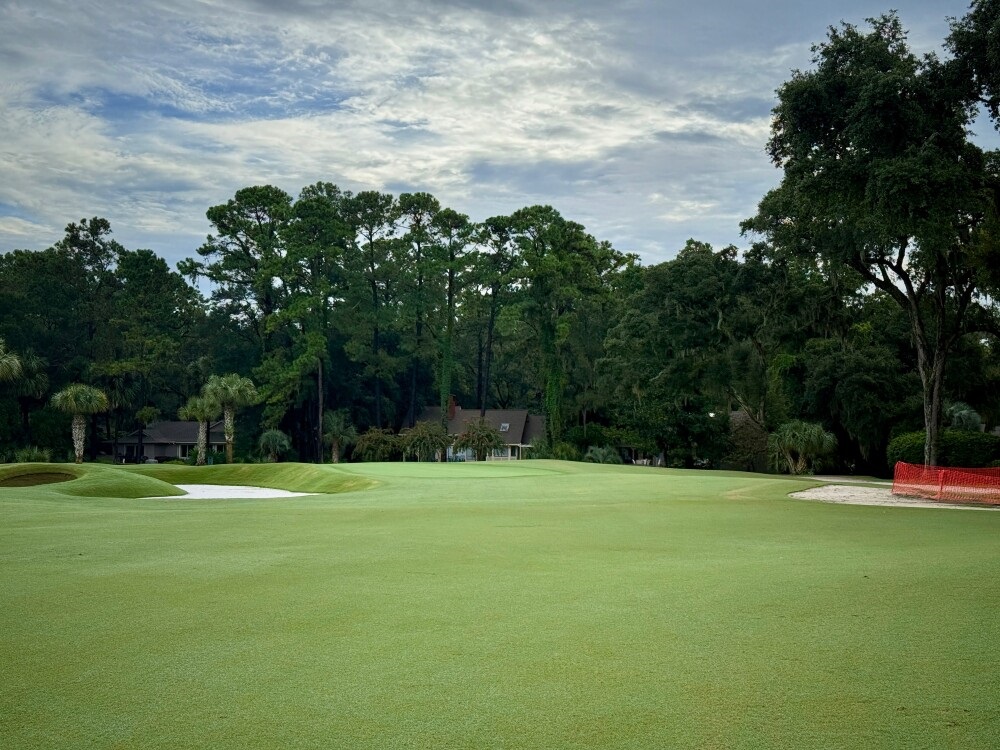
With Harbour Town squared away, Love and his team are able to focus on planning and executing some changes at another Pete Dye masterpiece and the PGA Tour's flagship property, TPC Sawgrass' Players Stadium course.
Love has a clear vision for what needs to change in order to recapture some of the teeth that the course bared from 1982, when it first hosted the Players Championship. “I think the greens have gotten too flat at TPC Sawgrass," Love said. "They’ve taken some of Pete’s quirkiness out of them because of green speeds. He even said one time, ‘I should’ve made them steeper, rather than flatter, because then [the Tour] just wouldn’t have been able to mow them.’”
The convexity of the Stadium's original greens is something Love is eager to restore, though he acknowledges it will be important to temper them slightly to fit contemporary conditioning. But he is adamant about the need to restore sterner shot values in keeping with Dye's original vision. "They've gotten softer," Love said, "and they've gotten a little bowled on the corners. It's just too wet and [the pros] can shoot right at it."
With the PGA Tour eager for fans and players to regard the Players as equivalent to golf's four major championships, refining TPC Sawgrass' Players' Stadium course, perhaps third behind only Augusta National and Pebble Beach in hole-to-hole familiarity among American courses, is worth getting right.
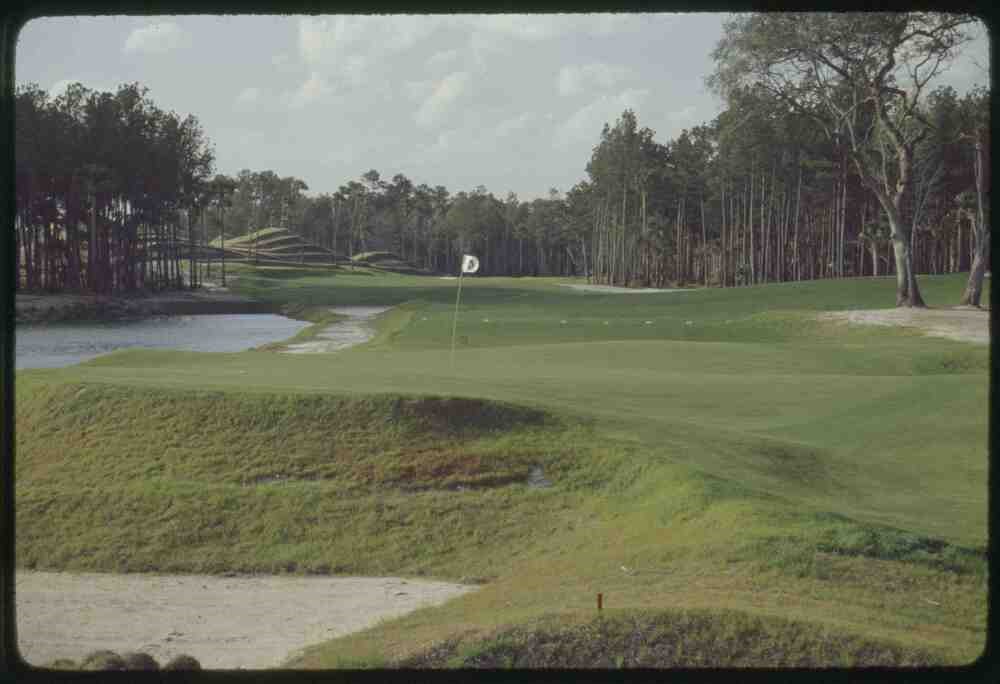
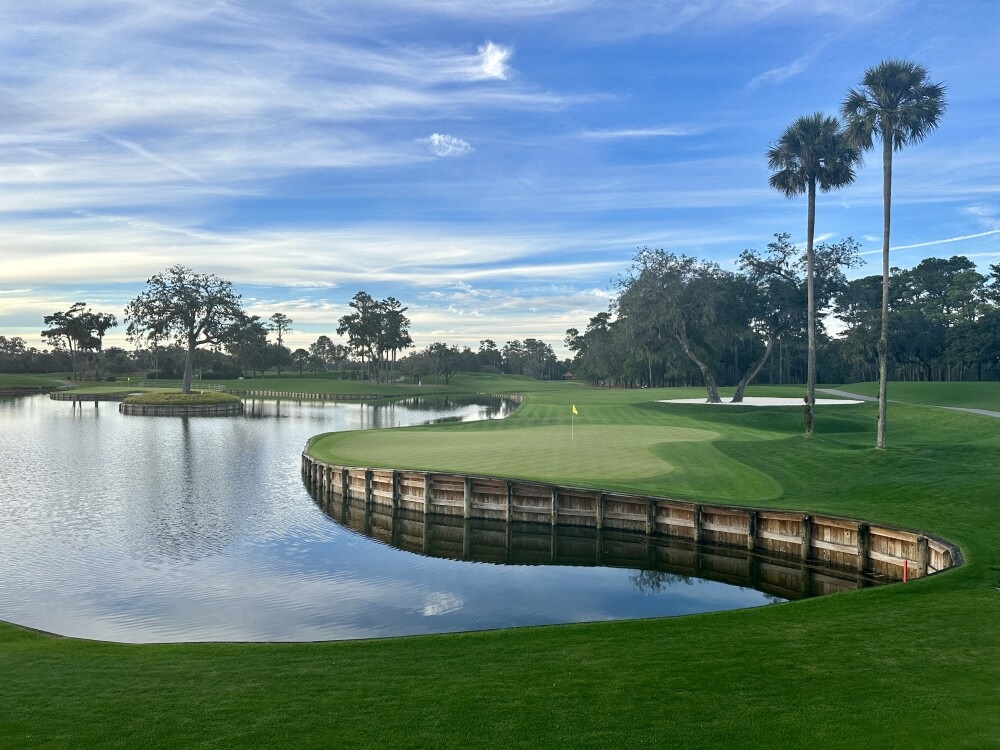
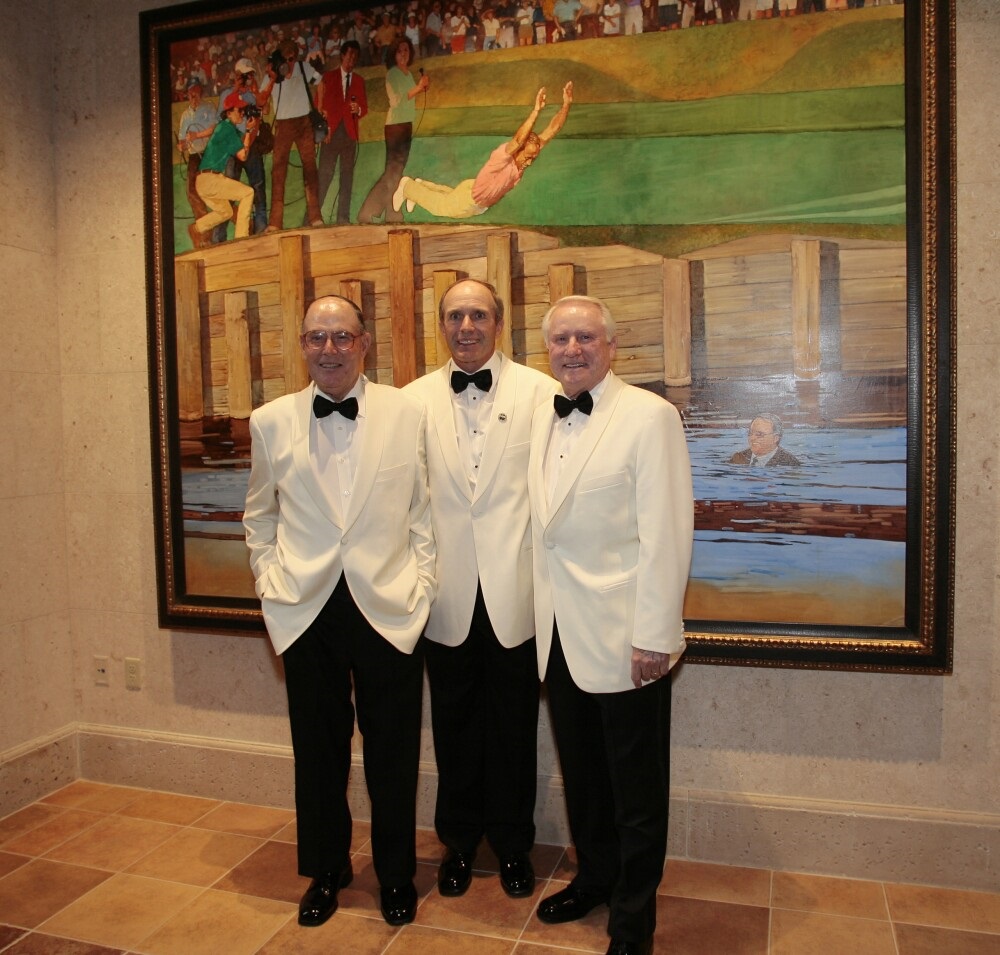
Meanwhile, the man who won that first Players Championship at TPC Sawgrass, tossing Pete Dye and Deane Beman into the pond in the process, is in charge of stewarding one of Dye's greatest golf courses outside of the United States.
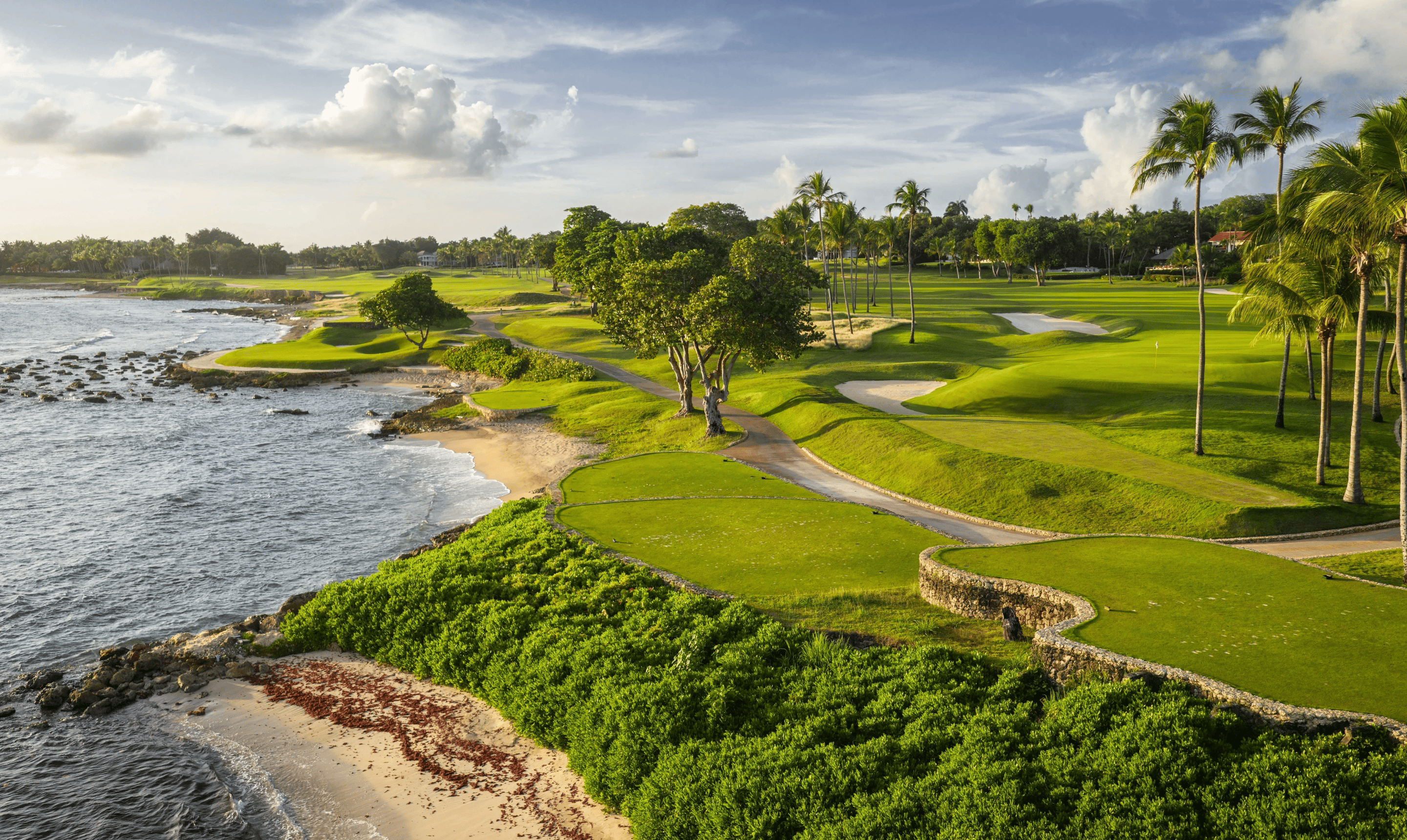
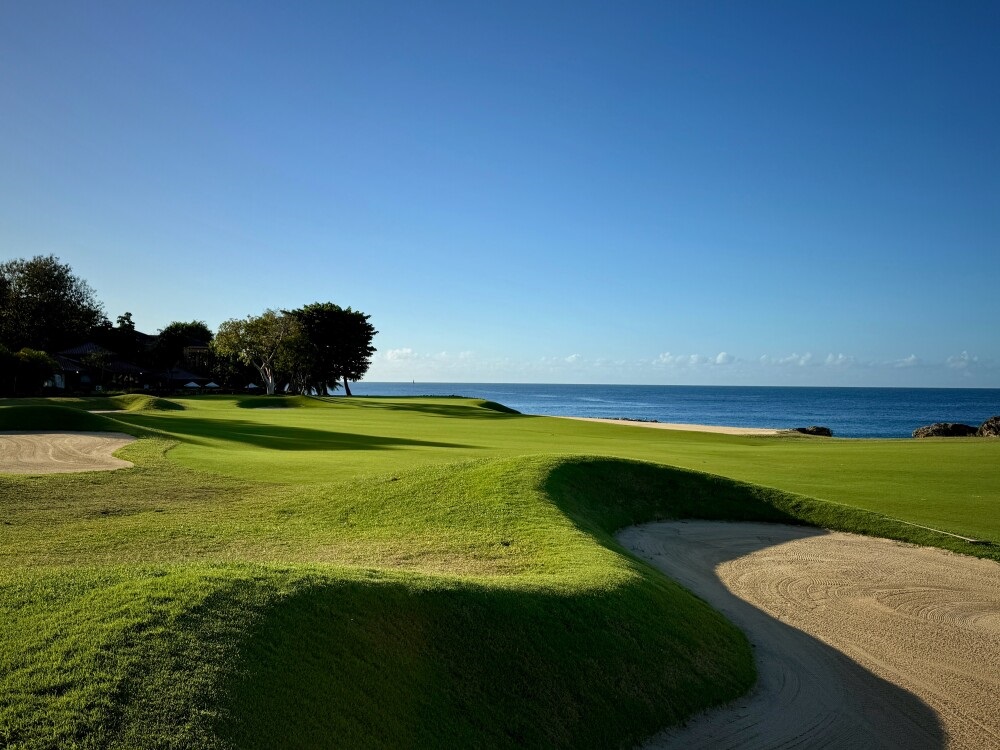
Jerry Pate recently unveiled his restoration of the Teeth of the Dog at Casa De Campo. Closed for nearly all of 2025, the course received a comprehensive restoration. Pate's task included safeguarding the course's seven coastal holes for the coming years by arranging wave-breaks beside several greens and tees and establishing saltwater-tolerant Paspalum turf across the whole course.
The bunkers at Teeth of the Dog received special attention, too. Early Dye bunkers are supposed to have flat bottoms and sharp lips. By restoring them, Pate and Dana reinvigorated several holes immediately. Now, the jaggedness of the coral coast creates an appealing contrast with the clean edges of the bunkers.
"Preserving the essence of Pete Dye guided us every step of the way," Pate said.
Pete Dye Restoration Movement Goes Beyond Championship Tests
Although Pete Dye is closely associated with elite championships, his restoration movement extends to members' courses like the Harbor course at Grand Harbor Golf & Beach Club in Vero Beach, Fla. Restored in 2021 by Chris Lutzke, who worked alongside Dye for 30 years, the course is known for its replayability and singular vision.
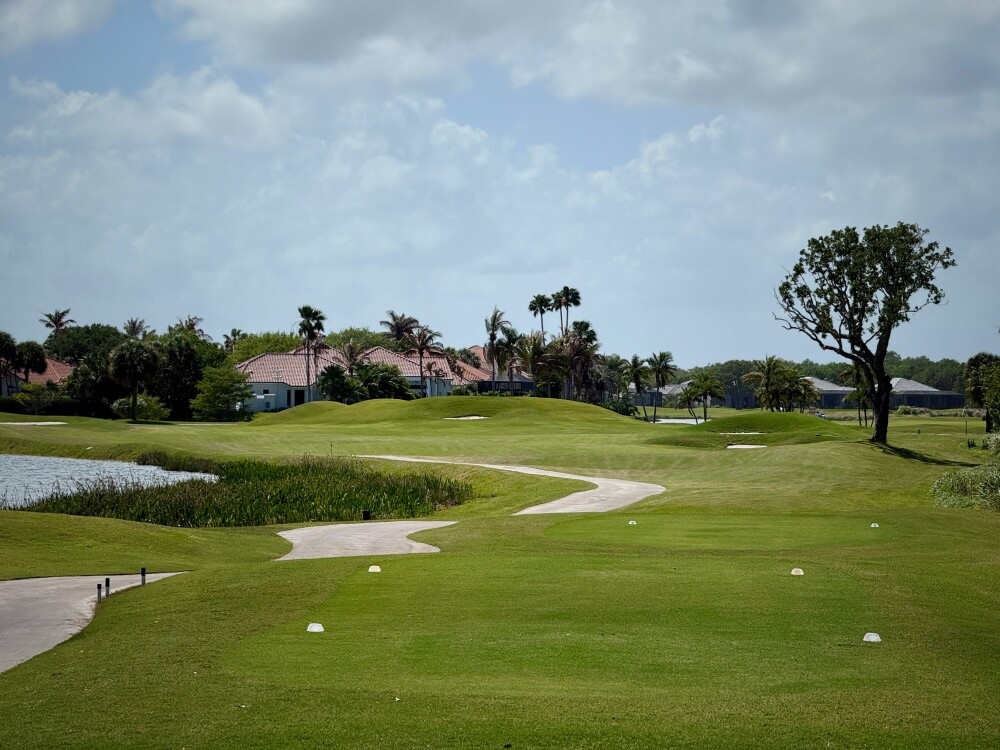
“He wasn’t normal by any stretch of the imagination,” Lutzke said. “All his guys, who stayed with him all those years, couldn’t wait to get to work and didn’t ever want to go home.” Dye was a master editor, taking associates' ideas and hitting "home runs" with them. Lutzke and other acolytes often speak of their mentor's work in the present tense—a testament to his enduring genius.
Other Notable Recent Pete Dye Restorations
- Crooked Stick Golf Club - 2025 (Tom Doak)
- Delray Dunes Golf & Country Club - 2024 (Scot Sherman)
- Long Cove Club - 2019 (Bobby Weed)
- Glenmoor Country Club - 2023 (Scot Sherman)
- Country Club of Landfall - 2025 (Chris Lutzke)
- PGA WEST (Stadium) - 2024 (Tim Liddy)
- The Farms Golf Club - 2026 (Tim Liddy)